
Quick Answer
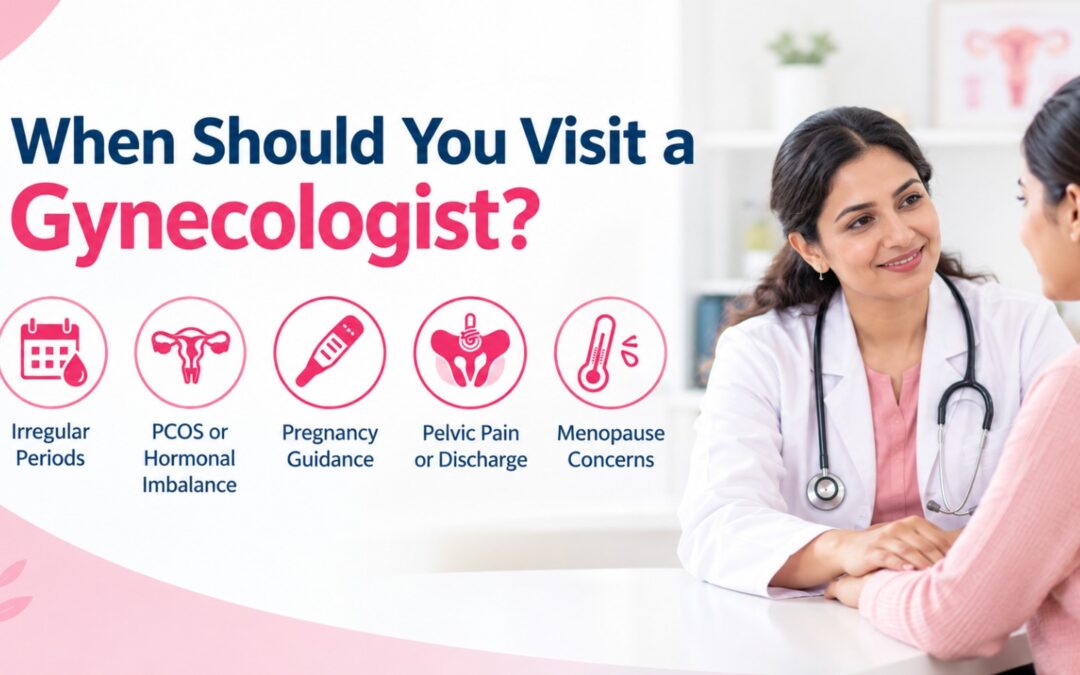
You do not need to wait until you have a serious problem to visit a gynecologist. Regular gynecological care can help with periods, contraception, pregnancy planning, PCOS, infections, fertility concerns, menopause, and other women’s health issues. You should also see a gynecologist when you notice unusual bleeding, persistent pelvic pain, abnormal discharge, painful periods, or other changes.
When Is a Gynecologist Visit Important?
A gynecologist can help with many stages of women’s health.
You may need an appointment if you have:
- Very painful periods
- Heavy or unusually long periods
- Irregular periods
- Bleeding between periods
- Bleeding after sex
- Unusual vaginal discharge
- Vaginal itching or burning
- Pelvic or lower abdominal pain
- Pain during sex
- Difficulty becoming pregnant
These symptoms do not necessarily mean something serious, but finding the cause is important.
Do You Need a Gynecologist Before Pregnancy?
If you are planning a pregnancy, a preconception consultation can be useful.
An OBGYN can review your medical history, medications, menstrual cycle, lifestyle, and existing health conditions. Depending on your circumstances, they may also discuss folic acid, vaccinations, healthy weight, and other steps that support a healthy pregnancy.
What About Pregnancy?
Once pregnancy is confirmed, regular antenatal care becomes important.
Pregnancy visits allow your doctor to monitor your health and the baby’s development and identify potential problems early.
You should contact your doctor if you experience symptoms such as bleeding, severe abdominal pain, leaking fluid, severe headache, vision changes, swelling that develops suddenly, or reduced fetal movements later in pregnancy.
When Should Teenagers or Young Women See a Gynecologist?
A first visit may be appropriate when there are concerns about periods, pain, abnormal bleeding, PCOS symptoms, contraception, sexual health, or other reproductive health questions.
A gynecology appointment is also a place to ask questions that may feel uncomfortable discussing elsewhere.
What Happens During a Visit?
The appointment depends on the reason for consultation.
Your doctor may discuss:
- Menstrual history
- Previous pregnancies
- Symptoms
- Medications
- Medical history
- Family history
A physical examination or tests may be recommended when appropriate.
FAQs
Should I visit a gynecologist for irregular periods?
Yes, especially when irregular periods are persistent or accompanied by weight changes, excess hair growth, acne, or other symptoms.
Can I visit a gynecologist even if I have no symptoms?
Yes. Preventive and reproductive healthcare can be part of routine women’s healthcare.
Should I see a gynecologist before planning pregnancy?
A preconception consultation can be helpful, particularly if you have an existing health condition or take regular medication.
Conclusion
A gynecologist is not only for pregnancy or serious problems. Regular care and timely evaluation of unusual symptoms can help women understand their reproductive health and address concerns early.